4 Oct 2026
Tracing Algorithmic Shifts Behind Weekly User Engagement Patterns in Virtual Gaming Hubs
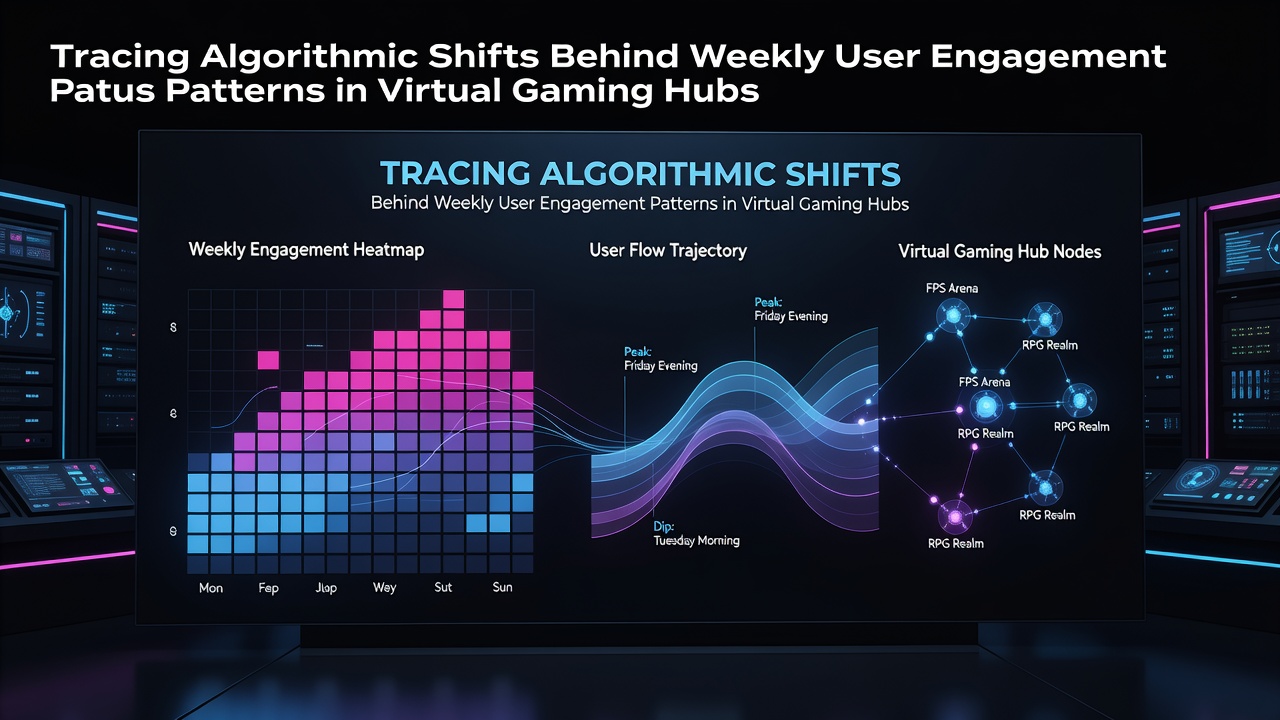
Virtual gaming hubs rely on sophisticated algorithms to monitor and respond to user engagement patterns that repeat on a weekly cycle, and these systems detect subtle changes in login frequency, session duration, and in-game spending that emerge between Monday mornings and Sunday evenings. Researchers at institutions focused on digital behavior have mapped how platforms adjust reward structures and content delivery based on these recurring rhythms, with data showing higher participation rates during Friday through Sunday windows compared to midweek lulls.
Understanding Core Weekly Patterns in Virtual Environments
Engagement data collected across multiple platforms reveals consistent spikes in active users on weekends, while Tuesday and Wednesday often register the lowest activity levels, and algorithms track these fluctuations through metrics such as average time spent per session and repeat visit intervals. Those who analyze platform logs note that systems begin recalibrating promotional offers and matchmaking parameters as early as Thursday afternoon to prepare for the upcoming surge, which allows hubs to maintain steady server loads and balance resource allocation. Studies conducted by university research groups in North America have documented how these adjustments occur automatically once engagement thresholds drop below predefined benchmarks.
How Algorithms Detect and Respond to Shifts
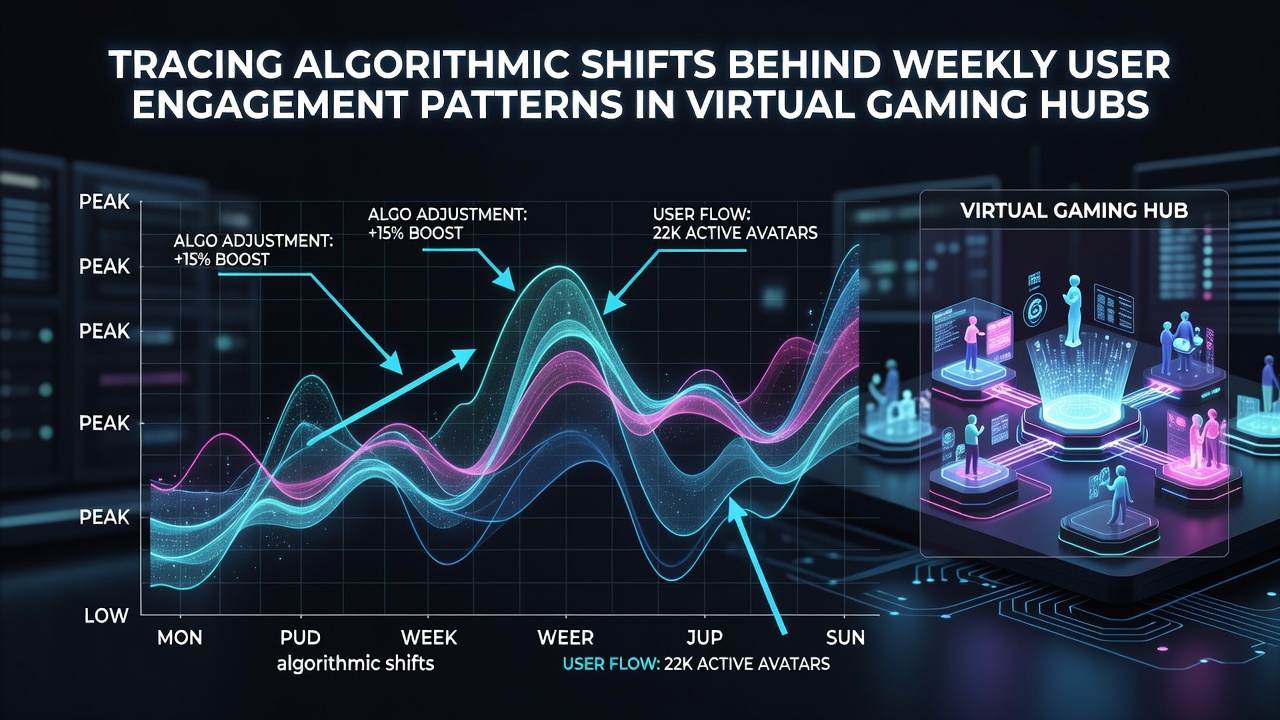
Modern tracking systems employ machine learning models that process real-time inputs from millions of simultaneous connections, identifying deviations from established weekly baselines within hours rather than days. When a platform observes an unexpected dip in midweek logins during October 2026, for instance, the algorithm initiates targeted notifications and adjusts difficulty curves in popular game modes to encourage longer sessions. Observers note that these responses integrate data from previous weeks, allowing the system to predict similar patterns and pre-load relevant assets before user numbers decline further. The process involves cross-referencing geographic time zones with historical activity, which ensures recommendations reach players during their typical evening hours regardless of location.
External Factors Influencing Algorithmic Adjustments
Seasonal events and external calendar markers frequently trigger additional layers of algorithmic modification, and platforms incorporate public holiday schedules or major sports tournaments into their predictive models well in advance. Data from industry reports compiled by the American Gaming Association indicates that engagement in virtual hubs rises measurably when real-world events align with weekend peaks, prompting systems to increase the frequency of limited-time rewards. At the same time, regulatory updates from bodies such as the Australian Communications and Media Authority have required platforms to log and review these algorithmic interventions more transparently, which has led developers to refine their detection methods for anomalous weekly behavior.
Case Examples of Algorithm Evolution
One documented instance involved a major hub that altered its progression system after three consecutive weeks of declining Thursday participation, and the change resulted in a redistribution of daily login bonuses that favored midweek returns. Analysts examining server telemetry observed that the algorithm began weighting social features more heavily during slower periods, encouraging group activities that extended average session lengths without requiring additional content creation. Another example from European platforms showed how integration of weather-related data streams allowed systems to anticipate indoor gaming spikes during rainy weekdays, with automatic adjustments to event scheduling occurring as forecasts updated.
Data Sources and Measurement Techniques
Platforms gather information through a combination of direct telemetry and anonymized user surveys, and research papers published by academic teams in Canada have highlighted the importance of combining these inputs to avoid over-reliance on any single metric. Figures released in late 2026 demonstrate that refined models now achieve higher accuracy in forecasting weekly troughs, which enables hubs to schedule maintenance windows during predicted low-traffic intervals. Those who examine these datasets note the growing role of cross-platform comparisons, where patterns observed in one hub inform adjustments in others that share similar user demographics.
Conclusion
Algorithmic systems in virtual gaming hubs continue to evolve in response to the predictable yet variable nature of weekly engagement cycles, incorporating new data streams and regulatory requirements as they emerge. The ongoing refinement of detection methods ensures platforms maintain operational efficiency while responding to shifts that occur across different regions and time periods, and ongoing studies from diverse geographic sources provide further insight into how these mechanisms operate at scale.