1 Nov 2026
How Sponsorship Regulations Are Reshaping Partnerships Between Betting Firms and Global Sports Leagues
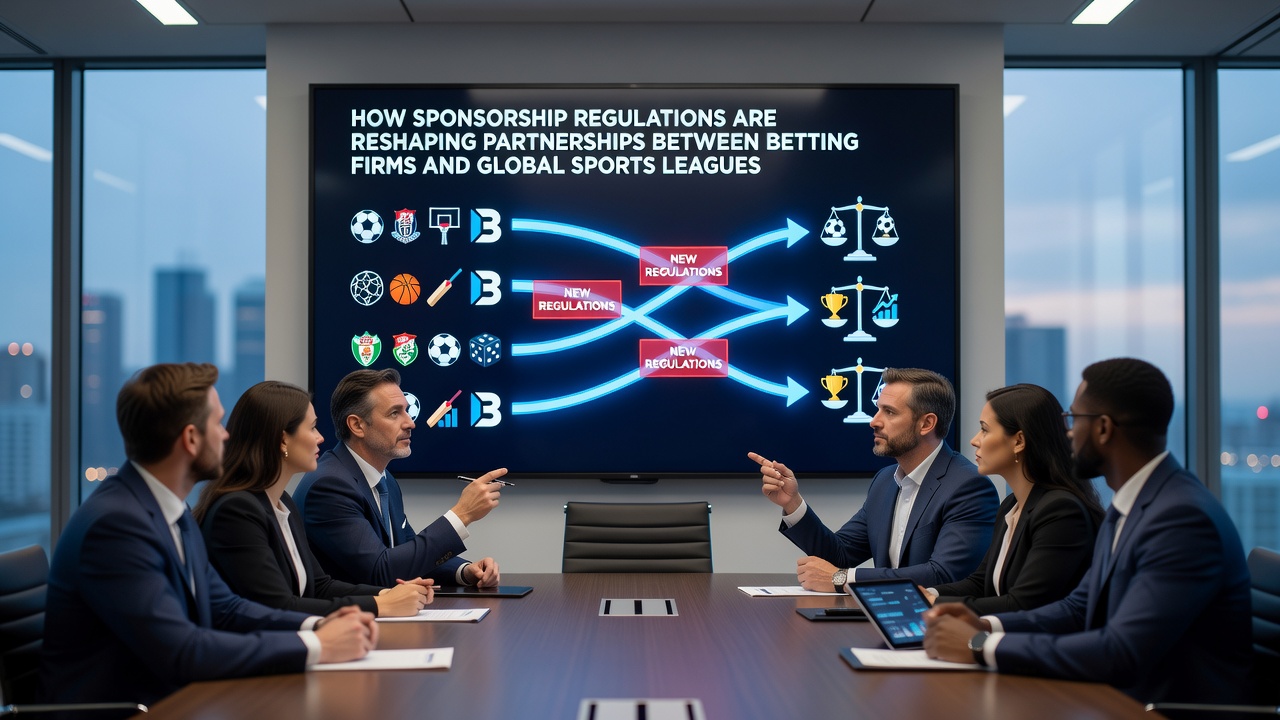
Regulatory changes across multiple jurisdictions continue to alter how betting companies form sponsorship deals with major sports organizations, and these shifts create new compliance requirements that both sides must navigate carefully. Data from industry reports shows that leagues in Europe, Australia, and North America have adjusted their policies since 2023 to align with evolving government standards on gambling advertising.
Observers note that leagues now incorporate stricter clauses in contracts, requiring betting partners to demonstrate adherence to local advertising codes before any promotional materials appear during broadcasts or at venues. This approach stems from legislation that limits exposure to certain audiences, particularly those under legal gambling age, while still allowing commercial relationships to proceed under controlled conditions.
Key Regulatory Developments Across Regions
Australian authorities implemented updated guidelines through the Australian Communications and Media Authority that restrict how betting operators can display logos on team jerseys and stadium signage, and these rules took effect progressively through 2025 with full enforcement scheduled for November 2026 in several states. Similar measures in Canadian provinces require pre-approval for all sponsorship content, which has led some leagues to renegotiate existing agreements to avoid penalties.
European Union member states have introduced varying thresholds for acceptable advertising volume during live events, and data collected by the European Commission indicates that sponsorship revenue from betting firms declined by approximately 12 percent in regulated markets between 2024 and 2025. Leagues responded by diversifying their partner portfolios to include non-gambling brands while retaining select betting relationships that meet enhanced disclosure standards.
What's interesting is how these regulations differ by sport and country, creating a patchwork that forces global leagues to maintain separate compliance teams for each territory. Football organizations in multiple countries now require betting sponsors to include responsible gambling messages in every advertisement, whereas basketball leagues in the United States focus more on state-by-state licensing verification before approving any partnership.
Impact on Contract Structures and Revenue Models
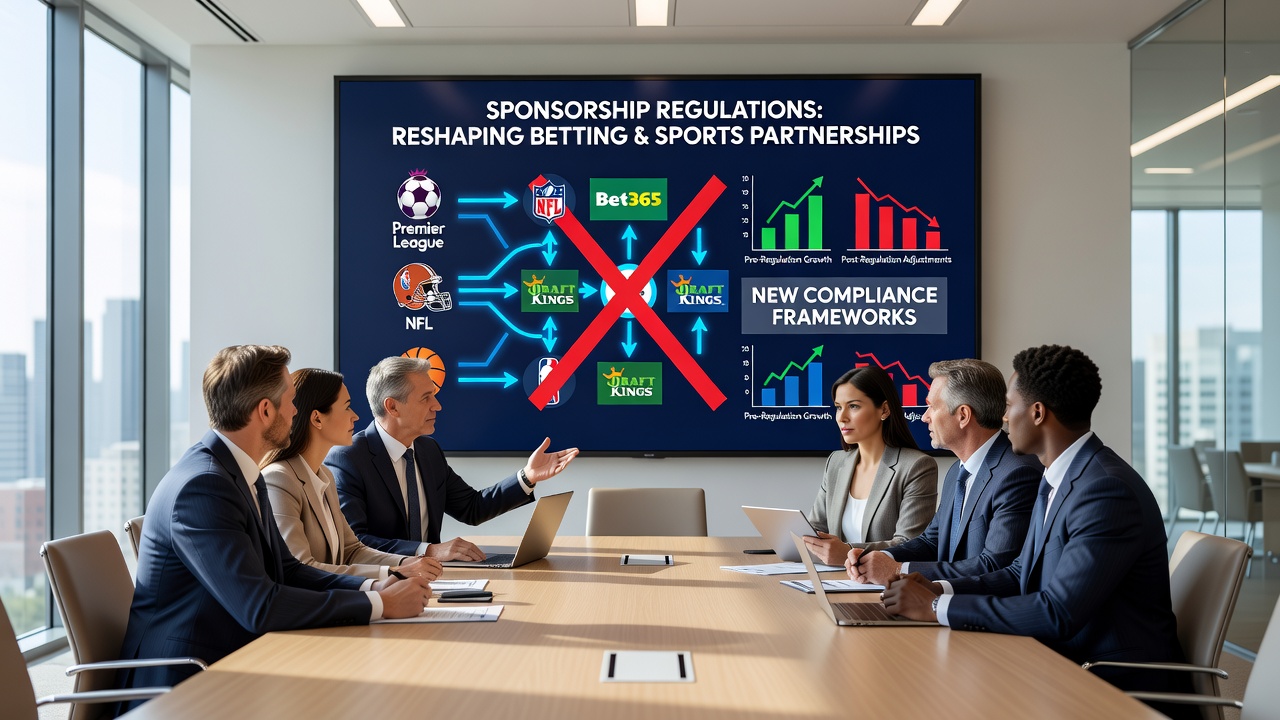
Betting firms have adapted by shifting from traditional shirt sponsorships to digital activations and data partnerships that fall outside strict broadcast advertising rules in many regions. Research from the University of Sydney's gambling studies program reveals that operators increasingly favor in-app promotions tied to league events rather than static logo placements, because these formats allow better targeting and easier compliance monitoring.
Leagues have introduced performance-based clauses that tie sponsorship payments to regulatory approval status, and this structure protects both parties when new rules emerge mid-contract. Figures released by the Canadian Gaming Association show that average deal values for betting sponsorships dropped 18 percent in markets with tighter controls, yet overall partnership numbers remained stable because operators consolidated fewer but larger agreements with organizations willing to meet compliance benchmarks.
Those who've examined recent contract filings note that many agreements now include exit provisions triggered by regulatory changes, allowing either side to terminate without penalty if laws shift unexpectedly. This flexibility has become standard since several high-profile deals faced sudden restrictions in 2024, prompting legal teams to build safeguards into future negotiations.
League-Specific Responses and Industry Adjustments
Major cricket boards in Australia and India have adopted centralized approval processes for all betting-related content, requiring sponsors to submit materials at least 30 days in advance of any campaign launch. These procedures emerged after government agencies flagged inconsistencies in how different teams handled advertising during international tournaments.
Basketball and hockey leagues in North America continue to work with state regulators to establish uniform standards, and early 2026 data suggests that partnerships in states with clear licensing frameworks generate higher renewal rates than those in jurisdictions still developing their rules. Teams in these markets often cite the predictability of approved sponsorship structures as a key factor in maintaining long-term relationships with betting operators.
Industry associations have begun publishing compliance toolkits that outline acceptable practices across borders, and these resources help smaller leagues implement standards already adopted by larger organizations. The approach reduces duplication of effort while ensuring that partnerships remain viable even as individual countries refine their positions on gambling promotion.
Conclusion
Regulatory evolution continues to influence the scale and structure of betting sponsorships within global sports, yet leagues and operators maintain active partnerships by embedding compliance mechanisms directly into their agreements. Evidence from multiple jurisdictions demonstrates that both sides have developed operational frameworks capable of responding to new requirements without severing commercial ties entirely. As enforcement dates approach in late 2026, further refinements to these arrangements are expected based on observed outcomes in early-adopting markets.