6 Sep 2026
Charting Regulatory Milestones That Redefined Player Protections in Digital Casino Platforms
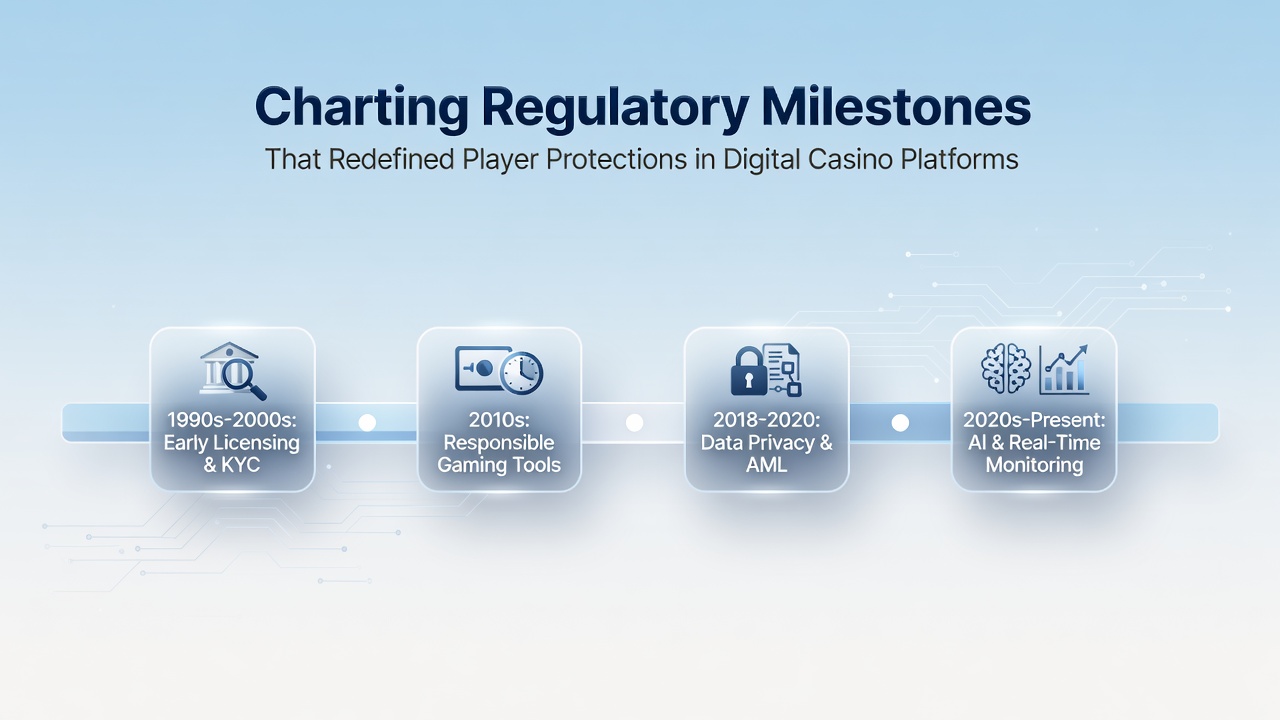
Regulatory frameworks for digital casino platforms have evolved through a series of targeted interventions that addressed age verification, financial safeguards, and self-exclusion mechanisms across multiple jurisdictions. These changes responded to technological advancements while establishing baseline standards for operator accountability.
Foundations in Early Digital Oversight
Initial steps toward structured player protections emerged in the late 1990s and early 2000s as online platforms expanded beyond land-based operations. Jurisdictions such as the Australian state of New South Wales introduced licensing requirements that mandated basic identity checks and transaction monitoring. Data from government reports indicate these measures reduced unauthorized access incidents by requiring operators to implement age gates and record-keeping protocols. Observers note that similar patterns appeared in Canadian provincial frameworks, where regulators required deposit limits as standard features in licensed environments.
North American Shifts After 2018
The repeal of the Professional and Amateur Sports Protection Act in the United States opened pathways for state-level online casino regulations, and several states incorporated mandatory responsible gambling tools into their licensing conditions. Figures from the National Conference of State Legislatures show that by 2022 more than a dozen states had enacted requirements for reality checks, session timers, and voluntary exclusion lists. Those measures built on earlier UIGEA provisions that restricted financial transactions while adding layers of consumer-facing controls. Research from academic institutions tracking these implementations found consistent adoption of multi-factor authentication processes that verified user eligibility before account activation.
European Developments and Cross-Border Standards
European Union directives on consumer protection influenced digital gambling rules through emphasis on data transparency and cooling-off periods. Member states aligned licensing criteria with broader digital service obligations, and regulators required operators to display clear information on win probabilities alongside spending trackers. A 2023 report compiled by the European Commission documented increased compliance rates in jurisdictions that integrated these tools into platform interfaces. What's interesting is how these requirements extended to affiliate marketing practices, ensuring promotional content included direct links to support resources for players seeking assistance.
Advancements in Verification and Monitoring Tools
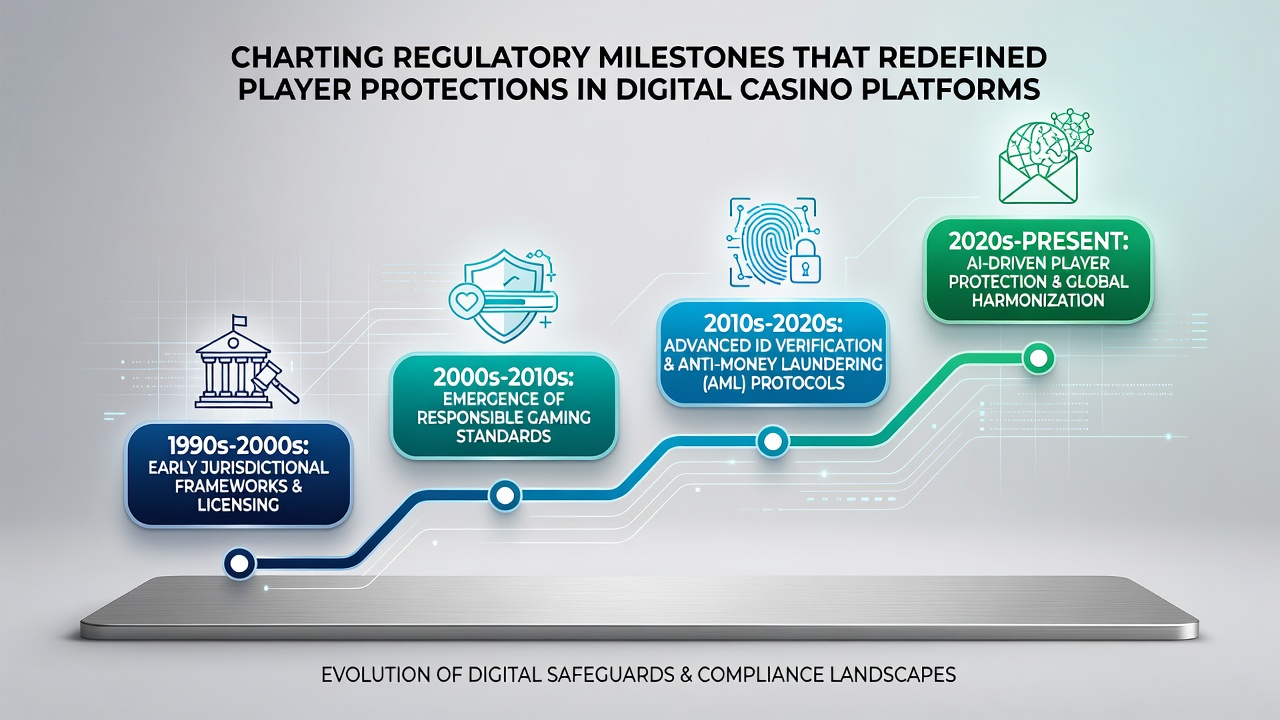
Technological integration accelerated after 2020 when several regulators mandated real-time monitoring systems capable of flagging unusual betting patterns. Provincial authorities in Ontario, Canada, required licensed platforms to deploy AI-assisted detection for potential problem gambling indicators, and compliance audits revealed higher rates of early intervention following these updates. Similar protocols appeared in Australian frameworks under the Interactive Gambling Act amendments, where operators faced penalties for failing to enforce time-based reminders. Those who've studied the outcomes report that combined use of biometric verification and behavioral analytics strengthened age and identity safeguards without disrupting user experience.
Updates Anticipated for September 2026
Scheduled implementations in multiple regions point to further refinements effective September 2026, including expanded requirements for personalized risk assessments and enhanced reporting on player fund segregation. Government agencies in several European countries have outlined plans to integrate these features into existing licensing renewals, while North American states continue to refine data-sharing agreements that support cross-jurisdictional exclusion lists. Figures reveal that pilot programs testing these systems recorded measurable reductions in repeat high-risk sessions when operators applied automated alerts. Industry organizations tracking these timelines note that the changes build directly on prior milestones rather than introducing entirely new categories of oversight.
Conclusion
The sequence of regulatory milestones demonstrates a pattern of incremental layering where each phase addressed gaps identified in previous frameworks. Jurisdictions continue to refine verification processes, spending controls, and monitoring capabilities through coordinated updates that reflect both technological capacity and accumulated compliance data. These developments maintain focus on operational standards that apply uniformly across licensed digital casino platforms.